Ant Pest Control Methods That Target Colonies at the Source
People searching for ant pest control methods that target colonies at the source aim to eliminate ants effectively by addressing the colony directly, and local service providers can help by implementing proven techniques to remove ants at their source.
If ants have become a persistent problem on a property, understanding ant pest control methods that target colonies at the source can be a practical approach to managing the issue. These strategies focus on disrupting the colony’s core, often leading to more effective and longer-lasting results. Property owners in the area might explore these methods to prevent ants from establishing large nests around their homes or businesses, reducing the need for frequent treatments. By addressing the colony at its foundation, local service providers can help create a more comprehensive solution that minimizes ongoing infestations.
Many local contractors offer expert techniques designed to locate and eliminate ant colonies at the source, rather than just treating the visible ants. These professionals utilize targeted approaches to identify nesting sites and apply treatments directly where the colonies originate. This can be especially valuable for property owners seeking to control ant populations more efficiently and prevent future invasions. Keep reading to learn more about how these proven methods work and how local pros can assist in implementing them effectively.
- Ant colony elimination - homeowners noticing persistent ant activity near their property may seek local contractors skilled in targeting colonies at the source to prevent future invasions.
- Nest removal services - when ant nests are identified in lawns, walls, or underground, service providers use specialized methods to eliminate colonies directly at their origin.
- Barrier treatments for colonies - properties experiencing recurring ant issues often benefit from treatments applied at colony sites to disrupt the source and stop the spread.
- Underground colony control - in cases where ants establish nests beneath the surface, local contractors employ techniques to locate and treat these hidden colonies effectively.
- Indoor ant source eradication - homes with ant infestations originating from hidden colonies inside walls or foundations require targeted source control from experienced service providers.
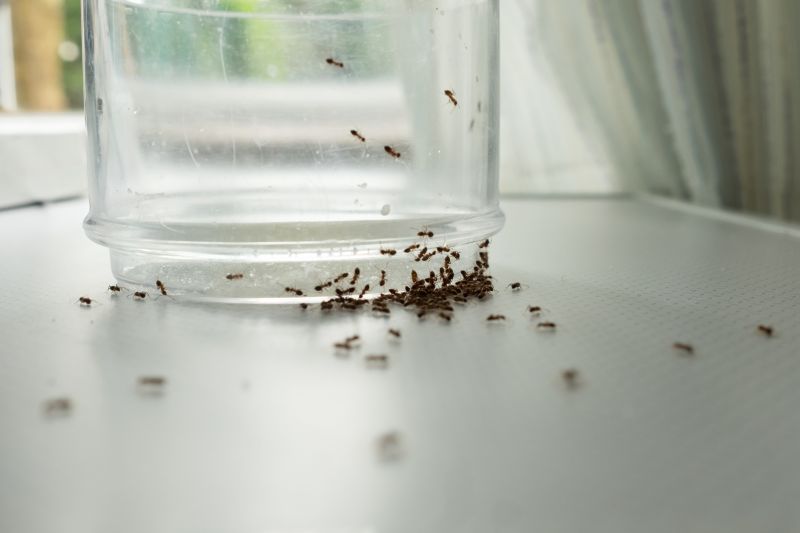


When searching for information about ant pest control methods that target colonies at the source, most people are looking for strategies that go beyond surface treatments. They want solutions that address the entire colony, including the hidden nests and foraging trails that lead to their presence indoors or on the property. This approach is essential for effectively eliminating ant problems because it focuses on the root causes rather than just the visible insects. Homeowners often seek guidance on how to identify where ants are nesting, understand their behavior, and find out which treatment techniques can disrupt the colony at its core. Local service providers that specialize in ant control can offer targeted methods designed to eliminate colonies completely, rather than just temporarily reducing the visible ant activity.
These ant pest control methods that target colonies at the source are particularly relevant for addressing ongoing or severe infestations. When ants establish large colonies, they can cause significant nuisance or even damage to property structures, electrical wiring, or stored goods. Homeowners may also be concerned about the potential for rapid colony expansion if the source isn’t effectively managed. These methods are often part of integrated pest management plans that combine barrier treatments with targeted baiting and nest destruction. Local contractors experienced in colony elimination can assess the specific situation, identify the nest locations-whether underground, inside walls, or in nearby outdoor areas-and implement the most effective techniques to eradicate the entire colony at its core.
The types of properties where ant colonies typically pose problems include residential homes, especially those with accessible foundations, basements, or crawl spaces. Commercial properties such as restaurants, grocery stores, or warehouses are also common sites for ant infestations, given the availability of food and moisture sources. In outdoor settings, gardens, patios, and landscaped areas can harbor ant nests close to the building, increasing the risk of indoor intrusion. These property types often require tailored approaches that consider the environment and the nesting habits of local ant species. Service providers familiar with local conditions can recommend and apply colony-targeting methods suited to each property’s unique features, ensuring a more comprehensive and lasting solution.
Understanding how local pros handle ant pest control methods that target colonies at the source helps homeowners see the connection between professional services and effective pest management. These methods typically involve a combination of inspecting for nests, applying baiting systems that worker ants carry back to the colony, and treating outdoor nesting sites directly. By focusing on the colony at its source, these strategies aim to eliminate the entire ant population, reducing the likelihood of future invasions. Homeowners can benefit from consulting with local contractors who have experience in identifying colony locations and deploying targeted treatments. This collaborative approach ensures that the pest problem is addressed thoroughly, leading to a more permanent resolution and peace of mind.
Termite Inspection and Treatment - professionals use similar planning and tools to locate and treat colonies at the source, which can be applied to ant nest identification and control.
Rodent Control Projects - these projects involve targeting colonies or burrows at the source, requiring strategic planning and use of specialized trapping and baiting tools.
Wildlife Removal Services - similar skills are used to identify and access hidden colonies or nests, whether for pests like wasps or small mammals, with a focus on source elimination.
Crack and Crevice Pest Treatments - applying targeted pesticide treatments in small openings mirrors the precision needed for ant colony source control methods.
Mosquito Breeding Site Elimination - identifying and treating breeding sites at the source involves planning and tools comparable to those used in ant colony source targeting.
Bed Bug Interception and Treatment - locating and treating hiding spots at the source requires similar inspection skills and targeted application techniques used in ant pest control.
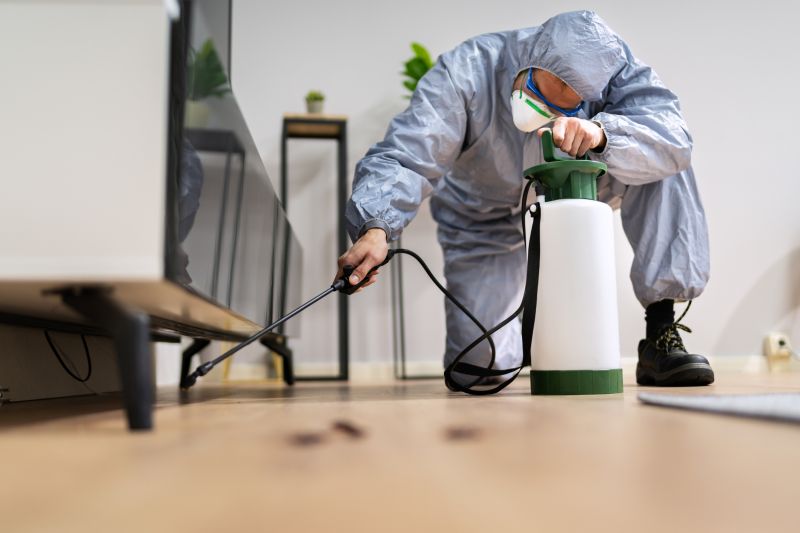
When evaluating service providers for ant pest control methods that target colonies at the source, it is important to consider their experience with similar projects. Homeowners should inquire about the types of ant infestations they have handled and whether they have successfully managed colonies in environments comparable to their own. An experienced local contractor will have a better understanding of ant behaviors and effective strategies to eliminate colonies at their source, which can lead to more thorough and lasting results.
Clear written expectations are essential when comparing local contractors for ant pest control services. Homeowners should seek detailed descriptions of the methods and treatment plans that will be used, including how the contractor plans to target the colonies at their source. This helps ensure everyone is aligned on what the service entails and reduces the chances of misunderstandings. Having this information in writing also provides a reference point for evaluating whether the proposed approach addresses the specific needs of the property.
Reputable references and strong communication are key factors in selecting a reliable service provider. Homeowners can ask for recommendations or reviews from previous clients who experienced similar ant issues. Good communication from the contractor-such as responsiveness to questions and clarity in explanations-can make the process smoother and more transparent. Choosing local contractors known for their professionalism and ability to clearly articulate their approach can increase confidence that the ant pest control methods will be effectively tailored to target colonies at the source and resolve ongoing problems.
Property owners often search for ant pest control methods that target colonies at the source when they are planning practical projects around their homes and businesses. Local pros provide Ant Pest Control services for everyday jobs and straightforward project options.
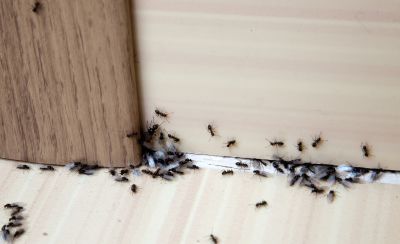
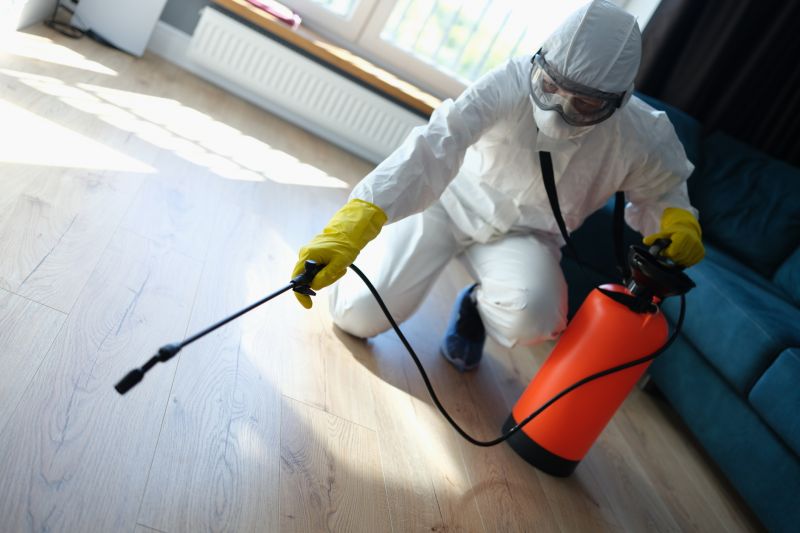
Homeowners and property owners often seek ant pest control methods that target colonies at the source when they notice persistent ant activity around their property. Common situations include discovering ants invading indoor spaces or noticing large ant mounds outdoors, which can indicate established colonies nearby. In these cases, relying on local contractors who specialize in ant control can be an effective way to address the root of the problem, rather than just treating surface-level activity. These professionals use targeted strategies designed to eliminate entire colonies, helping to reduce the likelihood of future invasions and minimize ongoing issues.
Choosing the right ant pest control services often involves understanding how local service providers can access and treat ant colonies at their source. Techniques may include applying baiting systems or soil treatments that penetrate to where the colonies are located underground or within structures. Property owners might look up this topic because they want long-term solutions that go beyond temporary deterrents. Connecting with experienced local contractors ensures that the methods used are appropriate for the specific ant species and property layout, providing a comprehensive approach to controlling ant colonies at their source.
What are effective ant pest control methods that target colonies at the source? Local contractors often use targeted baiting and soil treatments to eliminate ant colonies at their origin, preventing further infestations.
How do professional ant control services locate ant colonies underground or hidden? Service providers conduct thorough inspections and may use specialized tools to identify colony locations, allowing for precise treatment of the source.
Can baiting strategies help in controlling ant colonies at the source? Yes, professional baiting involves placing attractants that worker ants carry back to the colony, effectively targeting and eradicating the entire colony at its source.
What types of treatments are used to eliminate ant colonies at the source? Local pros may apply residual insecticides, soil treatments, or bait systems designed to reach the colony directly and disrupt their nesting sites.
Are there preventative measures to stop ant colonies from returning after treatment? Yes, service providers can recommend sealing entry points and removing attractants to reduce the likelihood of new colonies establishing at the source.
Identifying ant colonies at the source - property owners can work with local contractors to locate ant nests in lawns, walls, or underground and plan targeted treatments.
Applying baiting systems effectively - professionals can set up bait stations near ant trails and entry points to attract colonies and eliminate them at their core.
Using barrier treatments around structures - local pros can treat foundations, doorways, and windows to prevent ants from accessing areas where colonies may be nearby.
Implementing ongoing monitoring and inspections - property owners can schedule regular checks with service providers to detect and address new colony activity early.
If you are thinking about ant pest control methods that target colonies at the source for a property, this guide is meant to help you understand this topic, the typical project types, and how different options might fit your plans.
When you are ready, you can use the quote form on this page to share a few details about your project. From there, local pros can review the basics and follow up with options that match what you have in mind.